Tijger: The Netherlands' Cinematic Roar in EBU's Dialogue-Free Youth Films
The world of youth cinema is often vibrant, dynamic, and full of imaginative tales. Yet, few films manage to capture the raw essence of childhood emotions with the understated power of a truly dialogue-free narrative. Enter
Tijger (Tiger), the Netherlands' compelling entry into a distinguished international series of youth films produced under the auspices of the European Broadcasting Union (EBU). This short film, a poignant exploration of loss and the unique perspective of a child, stands out as a remarkable piece, often celebrated at events where the spirit of cinema comes alive, much like a
Filmfestival Tijger might champion its distinct voice.
At its core,
Tijger tells the heart-wrenching story of a four-year-old boy on the brink of a sleepless night. His precious toy tiger, a beloved companion, has been inadvertently left behind by his scatterbrained mother on the expansive Afsluitdijk, a monumental causeway connecting two parts of the Netherlands. The film masterfully navigates this simple yet profound premise, transforming it into a universal tale of childhood vulnerability and the often-perplexing actions of adults. Its strength lies not just in its narrative, but in its innovative approach to storytelling – relying entirely on visual cues, emotional depth, and a distinctive voice-over to convey its message. For anyone exploring the landscape of modern youth cinema, understanding the impact of
Tijger is crucial.
Unpacking the Poignant Narrative of Tijger: A Dialogue-Free Masterpiece
The narrative of
Tijger is deceptively simple, yet packed with emotional resonance. We are introduced to a four-year-old whose world is momentarily shattered by the absence of his cherished toy tiger. This isn't just about a lost object; it's about the emotional anchor, the comfort, and the security that a simple toy can represent to a small child. The film plunges us into his potential sleepless night, highlighting the profound distress that such a loss can inflict.
What elevates
Tijger beyond a mere children's story is its ingenious narrative device: the story is recounted from the perspective of the boy's nine-year-old older brother, Max. Max's voice-over is nothing short of brilliant. He provides a laconic, often ironic commentary on the unfolding drama, observing the "peculiar" behavior of the well-meaning but ultimately bumbling adults attempting to remedy the situation, and the inconsolable grief of his younger brother. This dual perspective offers layers of meaning: the immediate, unfiltered pain of the four-year-old, contrasted with the slightly detached, yet affectionate, observations of his older sibling, who is himself navigating the transition from pure childhood innocence to a more analytical understanding of the world.
The choice of the Afsluitdijk as the setting for the loss is also symbolic. This vast, open, and somewhat desolate stretch of infrastructure represents both the physical distance from the lost toy and perhaps the emotional distance between the child's immediate despair and the adults' more practical, but less empathetic, approach. The emptiness of the landscape mirrors the emptiness the child feels without his tiger. A film like
Tijger, with its rich, implied narrative, becomes a focal point for discussion at any discerning film festival, showcasing the power of well-crafted storytelling over explicit dialogue.
The Art of the Dialogue-Free Film: Why Tijger Shines for Young Audiences
Dialogue-free films occupy a unique and vital niche in cinema, especially for young audiences. They transcend language barriers, making them universally accessible, which is precisely why the EBU champions this format for international youth programming.
Tijger exemplifies the best of this genre. By stripping away spoken words, the film forces its audience, young and old, to engage more deeply with visual storytelling, facial expressions, body language, and environmental cues.
*
Universal Appeal: Without dialogue, the film's emotional core is understood by children from any cultural background. The universal emotions of loss, comfort, frustration, and love require no translation. This makes
Tijger an ideal candidate for global distribution and appreciation, reinforcing its status as a pivotal piece in the EBU's collection.
*
Visual Literacy: It encourages children to develop their visual literacy skills, interpreting actions, expressions, and settings to piece together the narrative. This active engagement is a powerful educational tool.
*
Empathy Development: The focus on raw emotion allows young viewers to connect on a deeply empathetic level with the protagonist's feelings. They are invited to imagine themselves in his shoes, fostering understanding and compassion.
*
Sound Design Importance: In a dialogue-free film, sound design becomes paramount. Every rustle, sigh, and musical note carries immense narrative weight, building atmosphere and conveying emotions that words might otherwise articulate. This adds another rich layer for audience interpretation.
The brilliance of
Tijger as a dialogue-free film for youth is how it manages to convey a complex emotional landscape with such clarity and impact. It proves that powerful stories don't always need words to resonate deeply, making it a truly invaluable addition to the canon of children's cinema and a highlight at any
Filmfestival Tijger dedicated to innovative storytelling.
Max's Perspective: Irony, Innocence, and the Adult World
The decision to tell the story through the eyes and voice of nine-year-old Max is arguably
Tijger's most inspired creative choice. Max is not merely a narrator; he is an active commentator, his voice-over providing the film's emotional and intellectual backbone. His "laconic ironic" commentary offers a crucial bridge between the audience and the intensely personal drama unfolding on screen.
Max's observations serve several key functions:
*
Humor and Lightness: His irony injects moments of gentle humor, preventing the film from becoming overly sentimental or tragic, despite the younger brother's distress. This makes the film more palatable for children and allows adults to appreciate the nuances of the situation.
*
Adult Behavior Under Scrutiny: Max's perspective subtly critiques the "peculiar behavior" of the adults. He highlights their well-meaning but often ineffective attempts to console his brother or retrieve the toy. This provides an empathetic yet critical look at how adults sometimes struggle to truly understand or address a child's profound emotional needs, offering valuable insights for parents and educators alike.
*
Relatability for Older Children: For older children watching, Max's perspective is highly relatable. They see themselves in his slightly exasperated, slightly amused, yet ultimately caring older brother role, observing the quirks of both younger siblings and grown-ups.
*
Emotional Distance with Empathy: While Max is ironic, he is never unkind. His commentary is laced with an underlying affection for his little brother, making his observations resonate as coming from a place of genuine care, rather than mocking. This balance is crucial for the film's emotional integrity.
Max's voice-over transforms what could be a simple tale of a lost toy into a sophisticated exploration of sibling dynamics, childhood psychology, and the often-amusing disconnect between children and adults. It's a testament to the film's nuanced writing that such complex themes are conveyed so effectively through a child's narration. This masterful approach makes
Tijger a standout entry in any film festival lineup, demonstrating the profound depth that youth films can achieve.
Tijger and the Broader Context of Youth Film Festivals
The film
Tijger, as the Dutch contribution to the EBU's annual series of dialogue-free youth films, carries significant weight within the international film community. The European Broadcasting Union's initiative is designed to foster cross-cultural understanding and provide high-quality, accessible content for children across Europe. Being selected as the national entry is a mark of prestige, signaling
Tijger's artistic merit and its potential to resonate with a diverse global audience.
For film festivals, particularly those dedicated to youth or short films,
Tijger offers a compelling case study. Its unique format, poignant story, and sophisticated narration make it an attractive submission. Festivals like the Netherlands Film Festival, where national cinema is celebrated, would undoubtedly highlight a film of
Tijger's caliber. Its dialogue-free nature also makes it a prime candidate for international festivals, as it removes the barrier of language translation, allowing for immediate emotional connection.
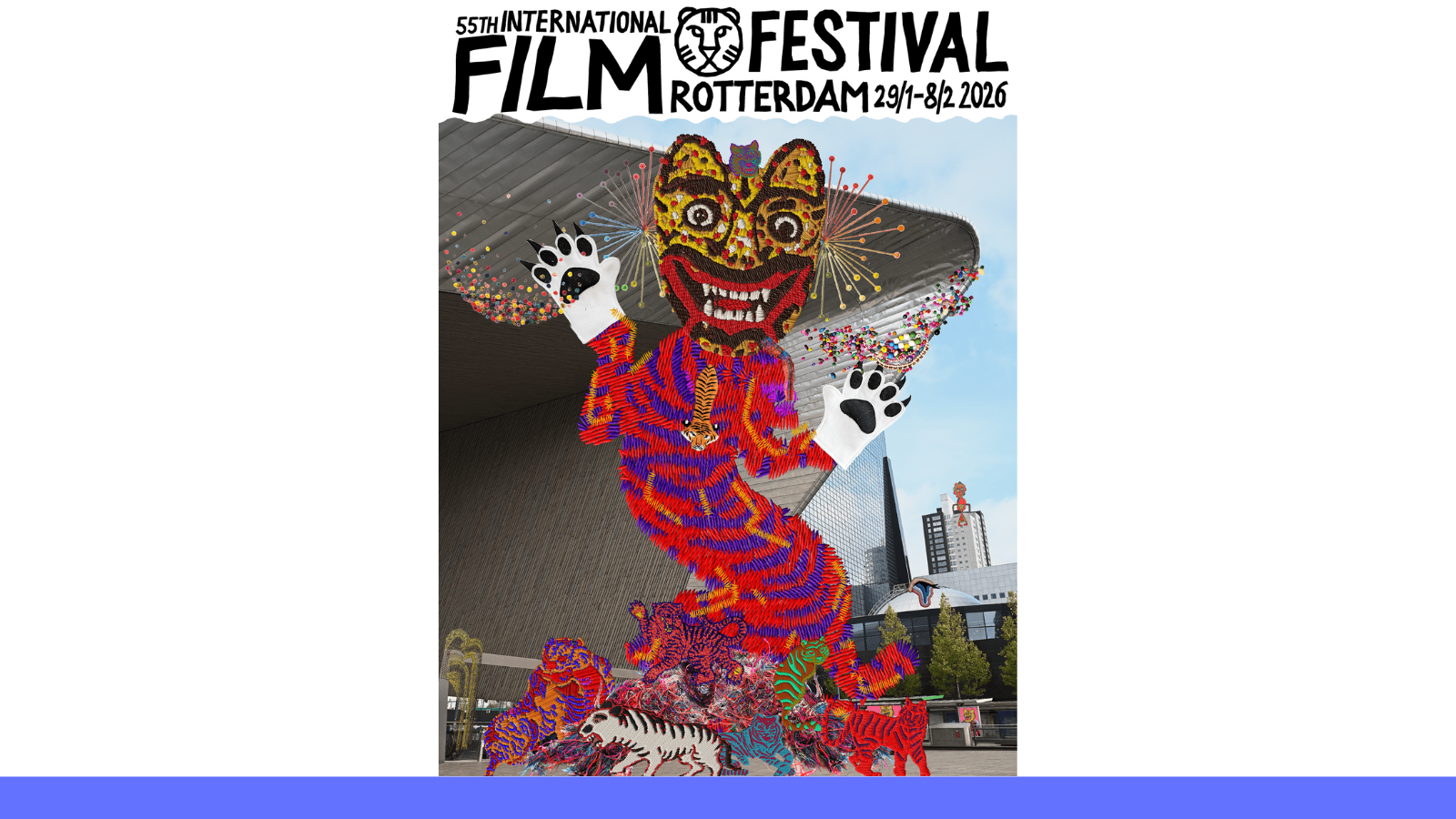
The name "Tijger" itself carries a certain cachet, especially in Dutch film culture. One cannot help but recall the iconic transparent plastic tote bag with a stylized black jumping tiger, prominently featuring "www.filmfestivalrotterdam.com," distributed in large numbers to festival-goers at the Filmfestival Rotterdam. While the film
Tijger and the Filmfestival Rotterdam's tiger bag are distinct entities, the powerful imagery of the tiger links them conceptually within the broader Dutch cinematic consciousness. This association can generate a natural curiosity and recognition, making the film's title resonate with a wider audience interested in the vibrant world of Dutch cinema and its festival traditions. Imagining a
Filmfestival Tijger could be a celebration of this very connection—a testament to the power of a simple image or name to evoke an entire cultural experience.
The importance of screening films like
Tijger at festivals extends beyond mere exhibition. These platforms provide opportunities for:
*
Discovery: Introducing new talent and innovative storytelling techniques to programmers, distributors, and general audiences.
*
Cultural Exchange: Facilitating a shared cinematic experience that transcends national borders, fulfilling the EBU's mission.
*
Industry Networking: Connecting filmmakers with potential partners and fostering future collaborations.
*
Educational Value: Offering workshops and discussions around the themes and techniques employed in films like
Tijger, enriching the experience for young viewers and aspiring creators.
The journey of
Tijger through film festivals is a testament to its universal appeal and the enduring power of a well-told story, even one without a single spoken word from its characters.
Conclusion
Tijger stands as a brilliant example of how a short, dialogue-free film can deliver profound emotional impact and sophisticated storytelling. As the Netherlands' contribution to the EBU's distinguished series, it not only showcases Dutch filmmaking talent but also offers a universally resonant tale of childhood loss, sibling perspectives, and the often-ironic dynamics between children and adults. Its masterful use of visual narrative and Max's captivating voice-over ensures its place as a significant work in youth cinema. Whether experienced at the Netherlands Film Festival or contemplated in the broader context of what a
Filmfestival Tijger might represent, this film proves that the most powerful stories often need no words to speak volumes. Its legacy is a reminder of cinema's ability to connect us all through shared human experiences, irrespective of language or age.