The Enigmatic Appeal of Tijger: A Deep Dive into a Lost Toy, Max's Irony, and Festival Buzz
For those searching for insights into "Filmfestival Tijger," it’s crucial to understand that
Tijger itself is a poignant and critically acclaimed short film, a Dutch cinematic gem that has resonated with audiences and critics alike. While not a film festival in its own right, the film
Tijger embodies the spirit of innovative storytelling often celebrated at such events, garnering attention at various showcases, including the prestigious Nederlands Film Festival. This unique production weaves a tale of childhood vulnerability and adult eccentricities, all seen through the sharp, often hilarious, lens of a nine-year-old narrator.
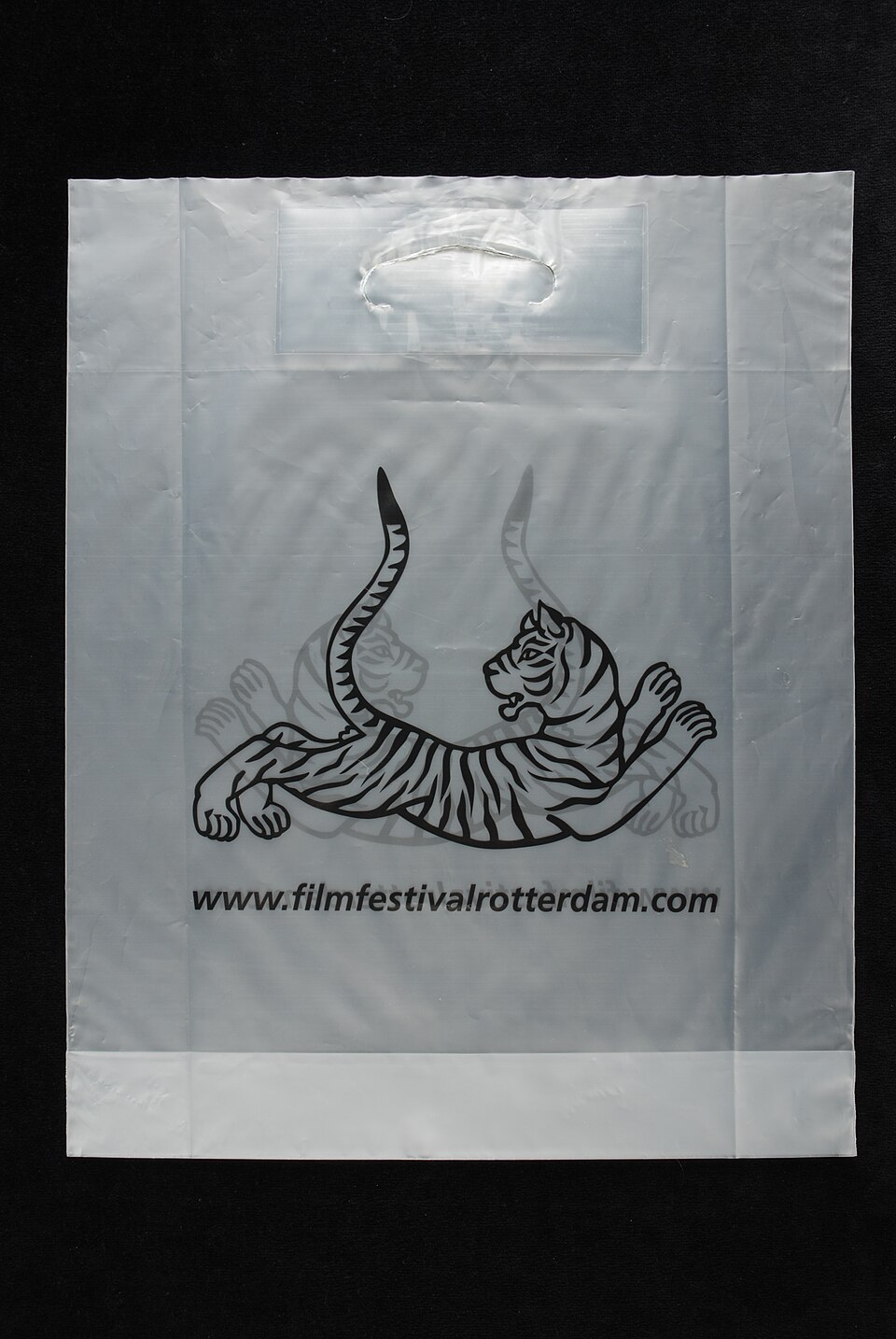
The film stands out not just for its compelling narrative but also for its distinctive format. It’s a dialogue-free youth film, a challenging yet rewarding approach that relies heavily on visual storytelling and the power of its singular voice-over. This artistic choice amplifies the emotional impact, allowing universal themes to shine through without language barriers. Beyond the film's immediate appeal, the "Tijger" motif holds a special place in Dutch film culture, notably associated with another major event: the International Film Festival Rotterdam, renowned for its iconic
Filmfestival Rotterdam's Iconic Tiger Bag: A Festival Tradition. This article, however, will focus primarily on the intricate world created within the film
Tijger and its distinctive contributions to cinema.
The Poignant Premise: A Four-Year-Old's Sleepless Night and a Missing Friend
At the heart of
Tijger lies a deceptively simple yet profoundly relatable premise: a four-year-old boy's world is turned upside down by the loss of his beloved toy tiger. The film plunges us into the anxious hours of a sleepless night as the young protagonist grapples with the sudden, gaping absence of his cherished companion. The source of his despair is a classic parental oversight – his somewhat distracted mother inadvertently left the precious stuffed animal on the vast, desolate stretch of the Afsluitdijk.
The Afsluitdijk, a monumental causeway in the Netherlands, serves as more than just a setting; it becomes a symbolic landscape of loss and distance. Its immense scale emphasizes the smallness and helplessness of the boy's predicament, turning a forgotten toy into a catastrophic event from a child's perspective. The film masterfully captures the raw, unfiltered anguish of early childhood, where a lost comfort object can feel like the end of the world. For any parent or anyone who remembers the intensity of childhood attachments, this scenario immediately strikes a chord, evoking empathy for the inconsolable little brother whose nighttime world has been shattered. The narrative doesn't need dialogue to convey this deep emotional truth; the visuals, the boy's expressions, and the underlying tension speak volumes, preparing the ground for the film's most distinctive element: Max's voice.
Max's Ironic Lens: The Nine-Year-Old Narrator Who Steals the Show
What truly elevates
Tijger from a simple tale of a lost toy to a compelling piece of cinematic artistry is its ingenious narrative device: the voice-over commentary provided by the nine-year-old Max. Max, the older brother, offers a laconically ironic perspective on the unfolding drama. He's not just a storyteller; he's an astute observer, a junior philosopher dissecting the "peculiar" behaviors of the adults around him and the seemingly over-the-top sorrow of his younger sibling.
Max's voice is the film's secret weapon, injecting humor, wit, and a surprising layer of maturity into an otherwise somber situation. His commentary often highlights the stark contrast between the emotional intensity of the four-year-old's grief and the sometimes clumsy, sometimes exasperated reactions of the grown-ups trying to mitigate the crisis. Through Max's eyes, the adults' desperate attempts to retrieve the tiger, their well-meaning but often ineffective gestures, are viewed with a healthy dose of skepticism and an almost anthropological curiosity. He questions their logic, their emotional expressions, and their priorities, offering a refreshing and often comedic counterpoint to the central dilemma. This ironic detachment allows the audience to reflect on our own adult responses to childhood crises, often realizing the absurdity in our grown-up anxieties versus the pure, unadulterated pain of a child. Max's voice-over creates a unique bond with the audience, making us complicit in his observations and finding the humor in universal family dynamics.
A Dialogue-Free Masterpiece: Tijger as the Netherlands' EBU Contribution
Tijger is not just a film; it’s a significant example of international collaboration and a testament to the power of visual storytelling. It serves as the Dutch contribution to an annual international series of dialogue-free youth films, produced under the auspices of the European Broadcasting Union (EBU). This initiative fosters a unique cinematic language, allowing stories to transcend national borders and linguistic barriers, making them accessible to a broad, diverse young audience across Europe and beyond.
The decision to make
Tijger a dialogue-free film for children is a bold one, demanding exceptional skill in visual narrative, character expression, and evocative sound design. Without spoken words, every gesture, every facial expression, every subtle shift in light or camera angle becomes crucial to conveying emotion and advancing the plot. This format encourages young viewers to engage more actively with the story, interpreting visual cues and understanding universal human experiences through observation rather than direct explanation. The EBU's commitment to such projects highlights the belief in cinema as a universal language capable of teaching empathy, understanding, and shared human experiences across different cultures. For more on this, you can read about
Tijger: Netherlands' Entry to EBU's Dialogue-Free Youth Films. The success of
Tijger in this format underscores the effectiveness of its creative choices and its potential to connect with children regardless of their native tongue.
The Tijger Legacy: Impact and Relevance in Youth Cinema
The film
Tijger leaves a lasting impression, not only for its narrative charm but also for its profound insights into childhood, family dynamics, and the often-humorous disconnect between generations. Its ability to convey complex emotions and observational humor without dialogue, primarily through Max's voice-over, makes it a standout piece in youth cinema. It teaches us that even the smallest problems, like a lost toy, can open doors to deeper understandings of love, attachment, and the way we navigate our world.
For emerging filmmakers,
Tijger offers invaluable lessons. It demonstrates how a strong concept, innovative narrative structure, and compelling character voice can overcome budget limitations and create a powerful, universally resonant story. The film's emphasis on non-verbal communication is particularly inspiring for those looking to craft narratives that speak to diverse global audiences. Consider these tips for impactful storytelling:
- Embrace Unique Perspectives: Max's voice-over shows how a distinct viewpoint can transform a simple story.
- Master Visual Storytelling: In a dialogue-free format, every frame counts. Focus on composition, character actions, and environmental details.
- Leverage Sound Design: Beyond dialogue, music, sound effects, and ambient noise can dramatically enhance emotional impact and narrative flow.
- Find Universal Themes: Stories about loss, comfort, family, and understanding transcend cultural boundaries.
- Trust Your Audience: Allow viewers to infer and interpret, fostering deeper engagement.
The film's exploration of a child's profound grief, contrasted with Max's dry commentary, is a masterful balance of pathos and humor. It encourages viewers, young and old, to reflect on the importance of small comforts, the intensity of early emotional experiences, and the quirky ways families cope with minor crises.
Tijger thus secures its place as a significant contribution to children's film, proving that even a short, quiet film can make a mighty roar in the cinematic landscape.
Conclusion: The Enduring Charm of Film Tijger
The film
Tijger is a remarkable piece of Dutch cinema, skillfully blending the innocent heartbreak of a four-year-old with the cynical wit of his nine-year-old brother. Its dialogue-free format, championed by the EBU, not only showcases innovative storytelling but also creates a bridge for international understanding among young audiences. Through Max's unforgettable voice-over, the film manages to be both deeply moving and surprisingly funny, offering a fresh perspective on the universal experience of a lost childhood comfort. It's a testament to the power of cinema to explore complex emotions, celebrate unique perspectives, and leave an indelible mark on its viewers, making it a truly deserving topic of conversation when discussing innovative entries in the world of film festivals.